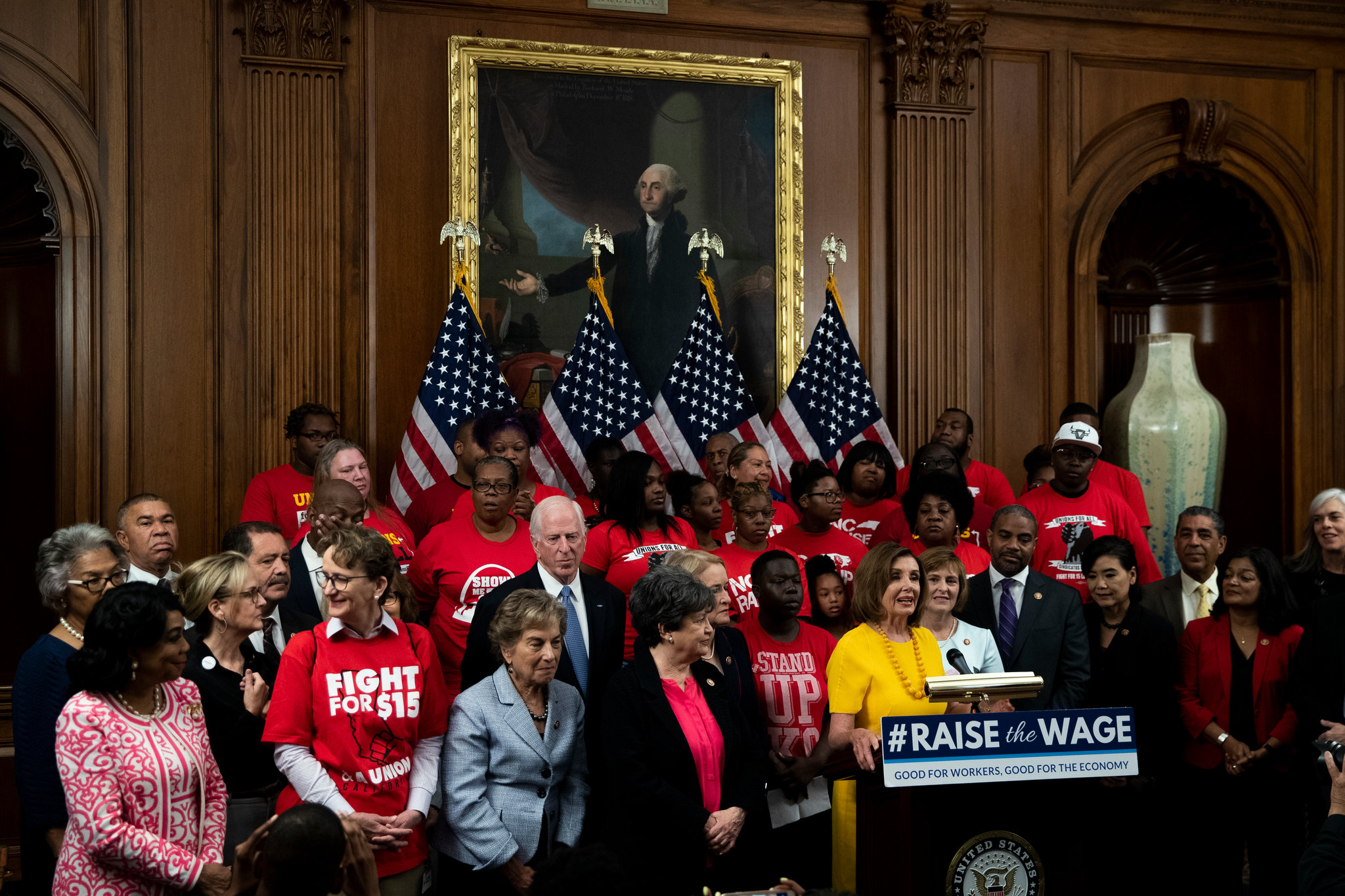
On April 23, 2025, the Biden-era Executive Order 14026, which raised the federal contractor minimum wage to $15 per hour, was officially rescinded through a new order issued under the Trump administration. As of July 1, 2025, agencies are no longer required to include the $15 wage requirement in new solicitations or renewals.
This reversal has far-reaching implications for contractor wage compliance, Service Contract Act (SCA) guidance, and the operational decisions of thousands of government vendors across industries.
Below, we examine what this change means, who it impacts, and how contractors should respond to maintain labor compliance and competitiveness in the federal market.
What Was Executive Order 14026?
Signed in 2021 by President Biden, Executive Order 14026 required agencies to include contract clauses mandating a minimum wage of $15 per hour (indexed to inflation) for:
- All workers on federal construction contracts covered by the Davis-Bacon Act
- Workers on federal service contracts covered by the Service Contract Act
- All federal subcontractors whose employees performed similar labor
This order built upon Executive Order 13658, which previously established a $10.10 minimum wage under the Obama administration.
The goal was to ensure a living wage for employees working on federally funded projects. However, this policy has now been reversed.
What Has Changed in 2025?
The repeal of Biden’s $15 wage mandate was framed as part of a broader push to reduce regulatory burdens and give agencies and contractors more flexibility in pricing and staffing decisions. The Trump administration’s rollback cites concerns about cost escalation, barriers to entry for small businesses, and state-level wage variation.
Key Changes Include:
- Federal wage rollback: Agencies are no longer required to apply the $15/hour floor to new contract solicitations.
- New solicitations post-July 1, 2025 will exclude the mandatory wage clause from Executive Order 14026.
- Existing contracts that include the clause will remain subject to it until the contract expires or is modified.
- Wage protections under SCA and Davis-Bacon remain intact. These laws still enforce prevailing wage requirements based on geographic location and labor category.
Are Contractors Still Required to Pay $15/hour?
It depends. Here’s how to assess your obligations:
Contract Type
Award Date
Wage Requirement
| Service contracts covered by SCA | Before July 1, 2025 | Must comply with EO 14026 if clause included |
| New contracts post-July 1, 2025 | After repeal | Not required to include $15 wage clause |
| Construction contracts (Davis-Bacon) | Varies by solicitation | Follow prevailing wage determinations |
| Subcontracts linked to federal funding | After repeal | Depends on prime’s contract clause |
Wage requirements for federal contractors will now vary based on when the contract was awarded, what labor laws apply, and the exact language included in your solicitation or contract.
What About State or Local Minimum Wage Laws?
Even if the federal $15/hour mandate has been rolled back, contractors must still comply with state and local minimum wage laws. In jurisdictions like California, New York, and D.C., the required hourly rate for government contractors may exceed $15 due to local legislation.
Noncompliance at the state level could still trigger Department of Labor (DOL) investigations, wage restitution orders, or debarment actions.
Compliance and Labor Guidance Going Forward
If you’re unsure about how this change impacts your business, review the following compliance areas:
1. Review Your Wage Determinations
Under the Service Contract Act and Davis-Bacon Act, contractors must continue to pay prevailing wages based on geographic location and labor classification, regardless of federal executive orders.
2. Monitor Agency and Solicitation Language
New solicitations will no longer include the EO 14026 clause, but some agencies may voluntarily adopt similar wage policies. Always check Section C or Section H of the solicitation for current labor clauses.
3. Evaluate Cost Structures
Companies who bid at higher labor rates due to the former mandate may now face competition from lower-cost vendors. Adjust pricing models accordingly, but remain in compliance with FAR labor standards and your own internal wage policies.
4. Train Your HR and Compliance Teams
Ensure HR, legal, and proposal staff are briefed on the new federal contractor wage rules. Incorrect assumptions can result in mispricing proposals or failing DOL audits.
Will Wages Go Down on Federal Contracts?
Possibly. Contractors in lower-wage states or industries may reduce pay rates to stay competitive. However, many mid-sized and large firms may continue to pay $15 or more to attract and retain talent, especially in technical or service-intensive fields.
Long term, this policy reversal may increase wage variability across contracts and regions, which could impact contractor performance, turnover, and quality control.
What Should Contractors Do Now?
The repeal of the $15 federal contractor wage requirement is not a green light to slash wages. It is a reminder that labor compliance in government contracting is layered and dynamic.
Action Items for Contractors:
- Audit your contracts to see which still include EO 14026 language.
- Revisit your labor cost assumptions for upcoming bids.
- Update proposal templates to reflect the current minimum wage on federal contracts.
- Communicate clearly with subcontractors and labor partners.
- Monitor future changes, especially if political control shifts again in 2026.
Final Thoughts: Policy Today, Risk Tomorrow
While Trump reverses federal wage hike policies this year, it’s likely that contractor wage debates will return under future administrations. The federal contracting landscape is politically charged, and labor standards often shift with it.
Maintaining compliance with core laws like the Service Contract Act, the Davis-Bacon Act, and the Fair Labor Standards Act is critical, regardless of which executive order is in effect.
Want to Know If Your Business Still Fits in the Federal Market?
With changing wage rules, procurement trends, and increased competition, many business owners are asking a critical question:
“Is selling to the government still a good fit for my business?”
Let us help you answer that with confidence.
Get a Free GSA Contract Readiness Audit
At Capitol 50, we’re offering a free GSA audit to help business owners determine whether government contracting is the right strategic move for them.
We’ll review:
- Your products or services and how they align with current federal demand
- Whether your pricing and labor structure remain competitive under new rules
- Which contract vehicles (like the GSA Schedule) may be a fit
- Steps to improve your visibility and compliance with today’s federal buyers